SPRING TERM 2026
Our Thursday morning meetings continue as 'hybrid' meetings, where some of our members attend talks in Ealing Green Church whilst others watch them at home over Zoom. A list of the past talks and speakers for the term is shown below, whilst a full list of the talks can be found in the Spring Term 2026 talks document. Most of these talks are recorded and this is indicated by an asterisk (*) after the talk name.
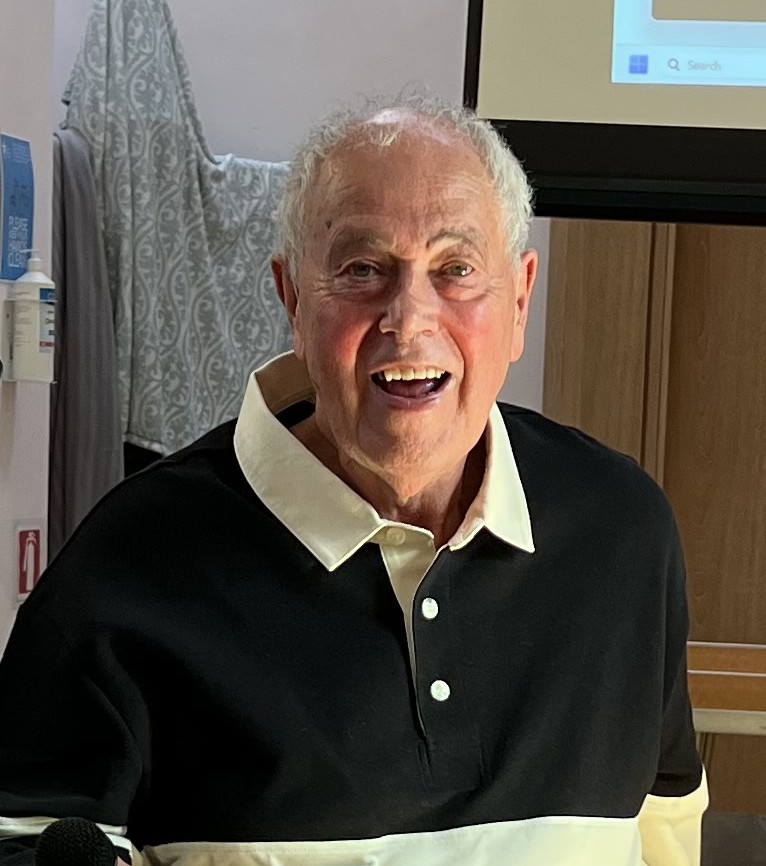
- Thursday 9th April : the new Spring Term started with two short talks given by long-standing Ealing U3A member Jill Thumpston on the subjects 'Archibald Knox, designer for Liberty of London' (*) and ‘Kelvingrove Art Gallery and Museum, Glasgow’ (*).
The first talk was about Archibald Knox who was the Chief Designer for Liberty of London at the turn of the 1900’s; we heard about his designs and his connection to the Isle of Man, Celtic crosses, WW1 internment camps and Pilates.
The second talk was on the Kelvingrove Art Gallery and Museum, Glasgow which contains a potpourri of art and artefacts and is the most popular museum in the UK outside of London. We found out who killed Sir Roger, why wellies are on display, and what made Elvis leave the building. - Thursday 23rd April: The talk was called ‘The history and development of Farming in West London with special reference to Ealing’ (*) with our speaker Anthony Smith, who is a retired Secondary School teacher mainly in English as an Additional Language to students new to the country, and continued teaching ESOL to adults until recently. He writes occasional poems, hosts a bi-monthly Open Mic at the W3 Gallery in Acton and has published two books of poetry and travel writing. Anthony's interest in this topic developed from studies of the Uxbridge Road and its history as well as his own walking in and around London and the realisation that so much had changed in what became the suburbs from the middle of the nineteenth century. The influence of the City on its hinterland for over a millennia in relation to its food requirements were highlighted along with an enquiry into land ownership and the process of the move from a rural to a more urban way of life.
- Thursday 7th May: this talk was entitled ‘From headlines to reality: Understanding the Risks of Climate Change’ (*) with Kate MacKenzie, a Senior Consulting Manager working with companies on climate risk and sustainability. This talk aimed to cut through the noise to explain climate risk in plain English.
- Thursday 14th May: the talk was called ‘Kate Webster: The Richmond Murderess’ (*) with our speaker Vicky McGrath from Richmond Museum, who has spoken to us previously. Vicky joined Richmond Museum in October 2016, bringing over 15 years of experience of working in Museums and Heritage Education. Kate Webster’s shocking crime exposed the deep divides of Victorian society. This talk explored how poverty, gender, and social status shaped her fate — and how her story reflected both the inequalities of the past and how perhaps not as much has changed as we might like to think….
- Thursday 28th May: this talk was titled ‘Hedgehogs in Ealing – risks, opportunities and how we all can help’ with Andrea Bugari who is the founder and chair of Ealing Hedgehog Friends. After semi-retiring from her original job in leadership development, she used her organisational skills to engage and train a group of dedicated and enthusiastic volunteers. Hedgehogs are “vulnerable to extinction” in the UK, so the talk looked at their situation in Ealing and outlined how residents can help them. Andrea also shared general hedgehog knowledge about things such as food, hibernation, nesting and mating – all in an interactive and engaging way. The talk ended with some hedgehog rescue stories, featuring the many tasks of the local hedgehog rescue; Ealing Hedgehog Friends.
- Thursday 4th June: The talk was entitled ‘Economic growth and related themes’ with Dr Parviz Dabir-Alai, an Ealing U3A member, who has worked as an academic economist for almost 40 years and is currently Emeritus Professor of Economics at Richmond University. Nowadays he edits an academic journal, works with an organisation focusing on wellbeing research and occasionally consults. Otherwise, he is mostly retired. This presentation covered several themes from development economics and was sourced from reflections based on a career spanning almost 40 years. Dr Dabir-Ali attempted to bring together insights on how issues such as political spheres of influence, market share, economic growth, George Orwell and transparency at the World Bank all fit in with one another. Dr Dabir-Alai also used a memorable quote (attributed to the physicist Richard Feyman) : 'Knowledge grows when you ask stupid questions, Stupidity grows when you don't ask anything'.
- Thursday 11th June: This talk was entitled ‘Sir Christopher Wren: Architect and so much more’ with Yvonne Jackman, Green Badge City of London Guide and a volunteer Guide and deputy Team Leader in St Paul’s Cathedral. Most people know Wren as an architect, but few realise the true extent of his genius in so many areas. This talk examined his background, early life and the tumultuous times through which he lived and worked.
- Thursday 25th June: This talk was entitled ‘Republic: Britain’s Revolutionary Decade, 1649-1660’ with Prof Alice Hunt who is the Professor of Early Modern Literature and History at the University of Southampton. Alice Hunt talked about her critically acclaimed ‘biography’ of the 1650s, when England was – for the first and only time in its history – a republic, led by the soldier-statesman, Oliver Cromwell. After the public execution of Charles I, ‘dangerous’ monarchy was abolished and the House of Lords dismissed. These revolutionary acts sent shock waves across the kingdom and the continent. The next decade was a time of unprecedented change and instability. But amid the tumult came innovation and opportunity. Previously unthinkable ideas about sovereignty and liberty were debated and implemented. Alternative forms of art and religion flourished. Satirists mocked MPs and the first English opera was staged. In coffee houses men and women devoured newsbooks and, in Oxford, a group of experimental scientists scrutinised the world in wholly new ways; they later became the Royal Society. England’s distinctive republican experiment may have been short-lived, but it reshaped the British Isles, reset the compact between the monarch and the people and refashioned the story the British told – and continue to tell – about themselves.
- Thursday 2nd July: Today's talk was entitled ‘William Golding: Memories of Uncle Bill’ with Ralph Brookfield, an Ealing U3A member since November 2025. Ralph studied molecular physics with Nobel laureates Harry Kroto and George Porter, ran two successful software companies, and retired early to pursue beloved hobbies, music and writing.
An appreciation of the man that was Ralph’s uncle, William Golding, husband and father, reluctant war hero, author of ‘Lord of the Flies’, and Nobel Laureate. Ralph’s father was very close to his brother-in-law, Bill Golding, and the family spent many happy hours at Bill’s houses in Wiltshire and Cornwall. In this talk, Ralph wants to paint a picture of his uncle from the perspective of a young boy hiding under the piano listening to two scholars (his dad and Bill) conversing in Anglo-Saxon.



WINTER TERM 2026
Our Thursday morning meetings continue to be held as 'hybrid' meetings, where many members attend the talks in Ealing Green Church whilst we also broadcast them over Zoom for members to watch from home. A list of the talks and speakers for the term is shown below, whilst full details of the talks can be found in the Winter Term 2026 talks document. Most of these talks are recorded and this is indicated by an asterisk (*) after the talk name
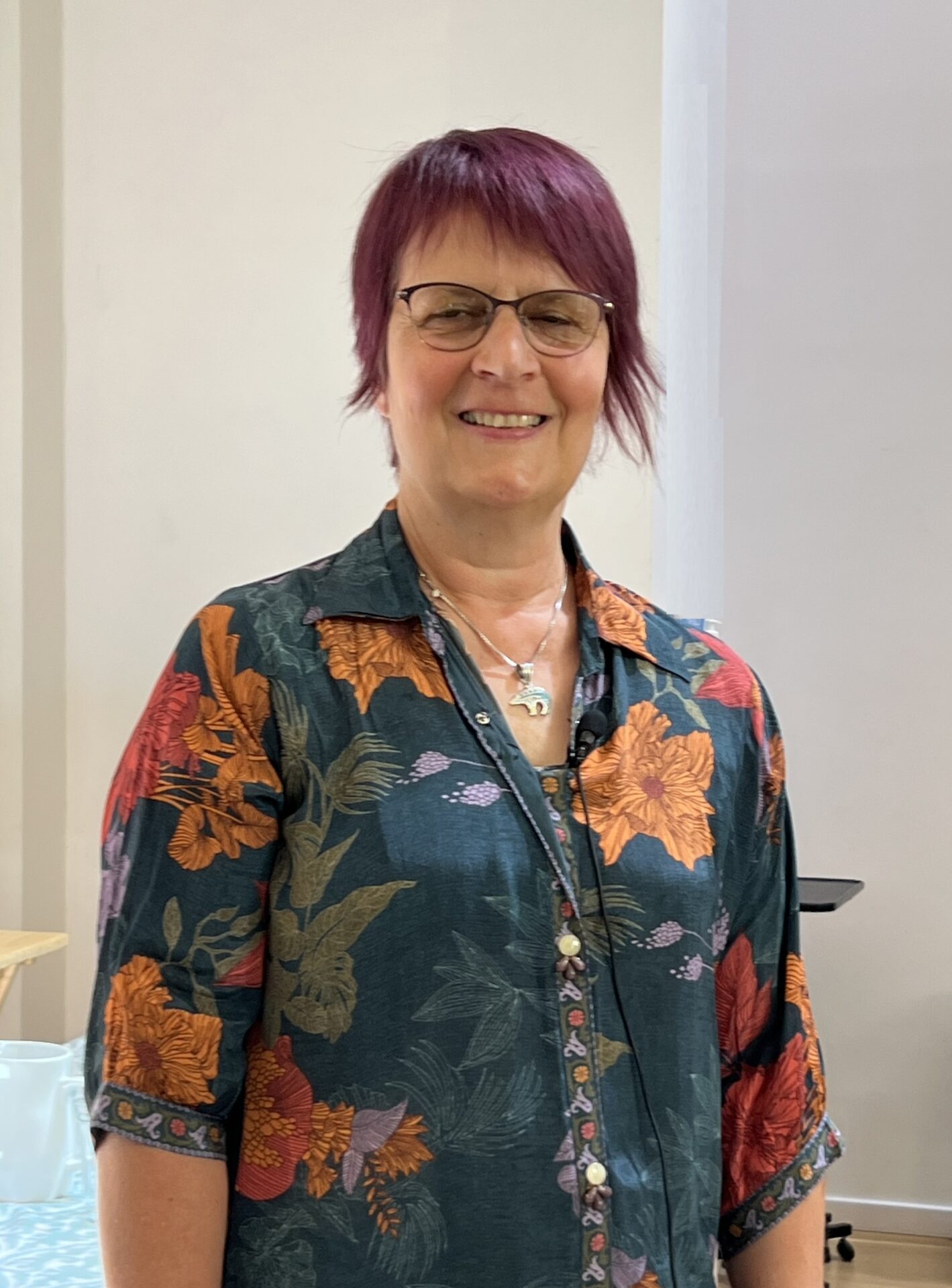
- Thursday 8th January : ‘What the Normans did TO us’ (*) given by our Chair, Jill Stern who is a historian of the 17th Century Dutch republic and has had a book published by Manchester University Press and several published articles on history and drama. With the imminent arrival of the Bayeux tapestry in the UK, we will all be talking about the Norman Conquest. This talk took us further, looking at the reign of William the Conqueror and what it meant for the English. It was a riveting talk about a key period in our nation’s history.
- Thursday 15th January : ‘David Niven: Gentleman Soldier turned Movie Star’ (*) with our speaker, Simone Adams who was a government lawyer and law lecturer for just over 25 years, but has now retired. She has written film reviews for the Talking Pictures TV podcast and written, narrated, and produced the podcast Classic Hollywood MTC. This podcast tells the story of the lives and careers of several classic Hollywood movie stars, including Merle Oberon, Stewart Granger, Maureen O Hara and David Niven. This short talk covered the eventful life and career of the British Movie star David Niven.
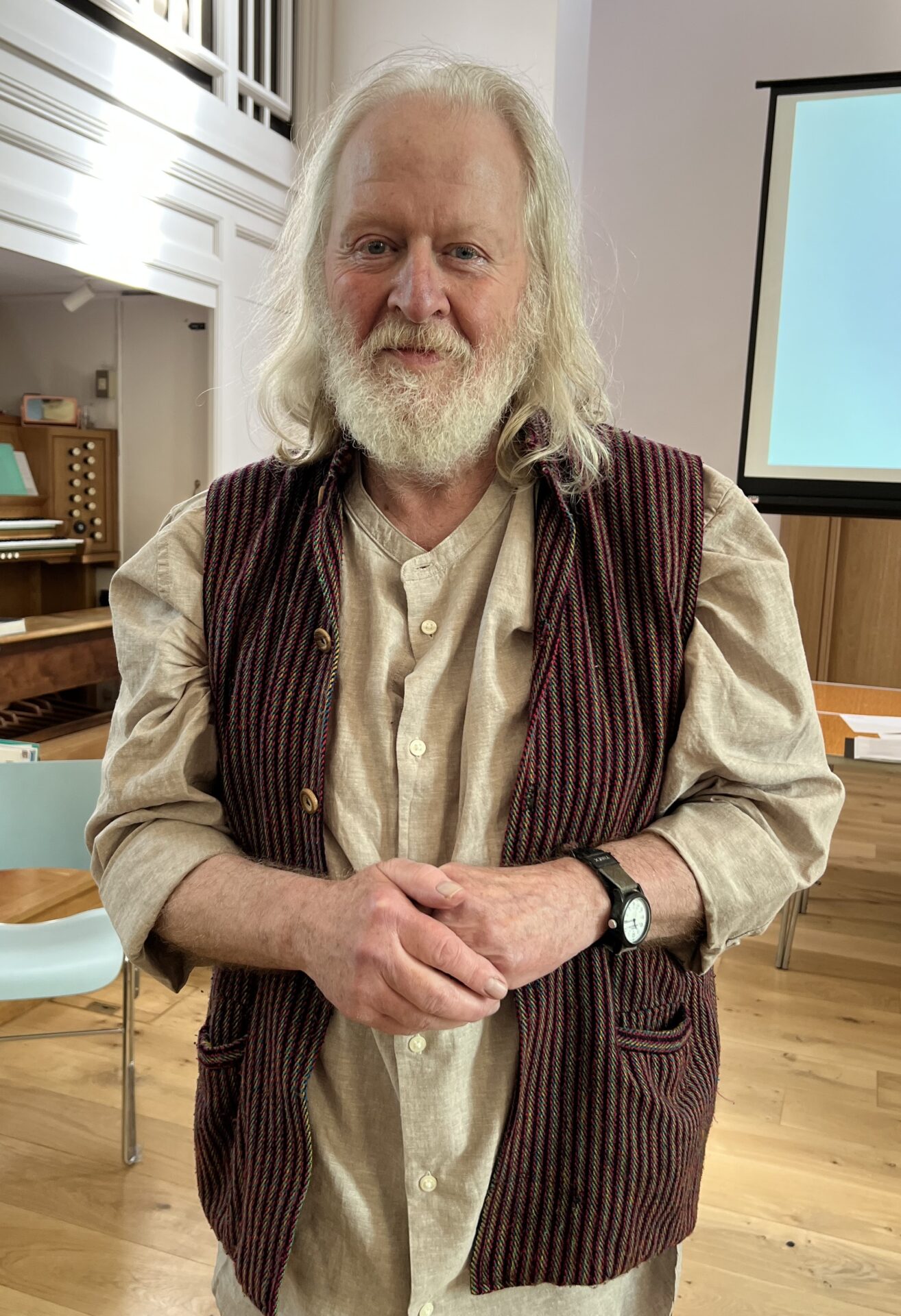
- Thursday 29th January: ‘1920s Tahiti’ (*) with our speaker, Simon Keable-Elliott who is a writer and lecturer based in South London. Simon discussed how the image of Tahiti – from the visit of the first westerners until the 1920s – has always been of an island paradise. It looked at the early 1920s Tahiti and South Pacific ‘craze’ and introduced us to some of the English and American writers and artists who decided to settle on the island.
- Thursday 5th February: "Astounding Inventions with Links to Harrow and Ealing’ with our speaker, Judith Shepherd, a Harrow resident who has been dabbling in the history of Saint Mary's Church Harrow on the Hill for 12 years. This talk looked at some of the amazing discoveries and inventions by people who lived on our doorstep such as Frank Whittle (inventor of the jet engine) and Ada Lovelace (computer programming). Judith’s talk included recommendations of interesting places to visit locally.
- Thursday 12th February: ‘What a Pantomime’ (*) with our speaker, Alan Browne, Ealing U3A member, who was a Chartered Civil Engineer, but for over 30 years he has acted in and directed Pantomimes with the St Mary’s Players amateur theatre group in Hanwell. The talk looked at how Christmas Pantomimes, an almost uniquely British form of entertainment, developed from the earliest days of theatre into the form that we are familiar with today, and at some of the key character involved.
- Thursday 26th February: ‘Christina Rossetti: Poet of Her Age’ (*) with our speaker, Dr. Simon Avery who teaches 19th Century literature and culture at the University of Westminster. The talk looked at the importance of Christina Rossetti as one of the key poets of the Victorian period. At the heart of the Pre-Raphaelite artistic community, Rossetti was astonishingly prolific as a writer and in many ways was a spokeswoman of her age.
- Thursday 5th March: ‘Disability, Equality and Inclusive Design’ (*) with our speaker, Ronald Koorm who writes and lectures on the subject of Inclusive design and accessibility. Inclusive Design is fundamental to providing access for everyone and not just Disabled People. Examples were given of good and poor design, impact and loopholes in the Equality Act. All of us have contact with Service Providers in our lives, but what of your experiences, and are they complying with the law? How does fire egress for disabled people work in practice? What impact did Grenfell have? Some of the information during the presentation may surprise and even shock you!
- Thursday, 12th March: The True Story of 'The Man who Broke the Bank at Monte Carlo' (*) with our speaker, Anne Fletcher who read history at Oxford University then had a career in heritage and has worked at some of the most exciting historic sites in the country. This talk was about Anne’s search for the true story of her ancestor, Joseph Hobson Jagger, and how newly discovered sources and the assistance of local history societies helped her prevent his extraordinary life from being lost to history. She published this story in her book “From the Mill to Monte Carlo”.
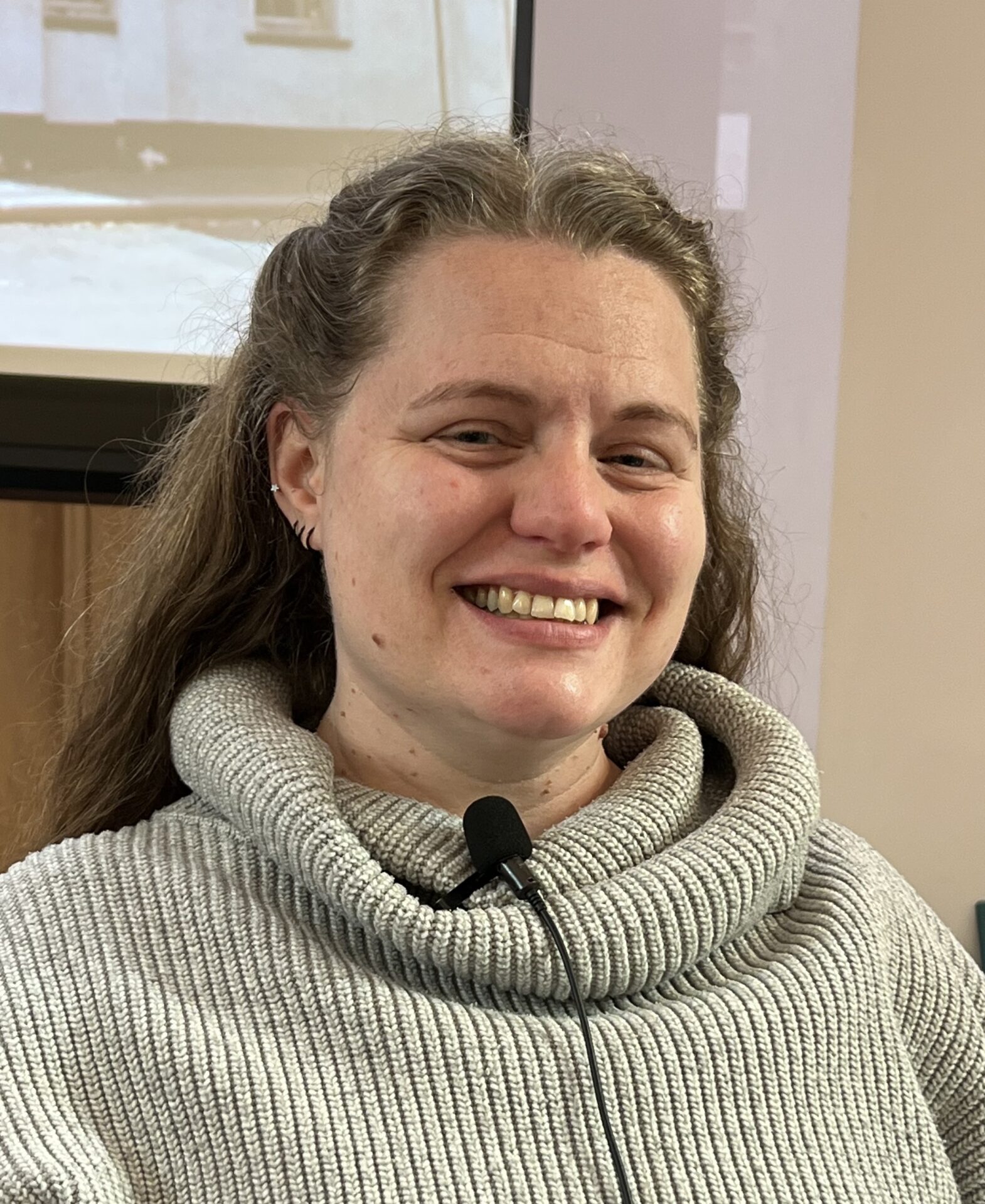
- Thursday, 19th March: Following the AGM 2026 (click the link for details) there was a short talk on ‘What Happened Next after leaving the Farm’ (*) by Ealing U3A member Mike Perry. Following on from Mike's talk last year about buying and running an isolated 50-acre dairy farm in Carmarthenshire in 1960, Mike talked about what happened after he gave up farming. The farm had to be sold, and a new home found somewhere in Wales or England then a means of earning a living. Not as easy as it sounds and the result was as far removed from teaching and farming as can be imagined.